Open Studio Tours – 2026
November 13, 14 & 15
Connecting the public with our local creative community.
Presented by Arts Foundation for Tucson and Southern Arizona, Open Studio Tours (OST) is the largest self-guided tour of artists’ studios, creative workspaces, and galleries in our region.
This free, city-wide program invites the public to explore the greater Tucson area, meet local artists, experience their creative processes, and discover the places where art comes to life. Visitors can also enjoy live demonstrations and performances, interactive activities, and purchase original artwork directly form the artists who create it.
Discover over 300 local artists
Explore artists’ studios, galleries, and creative spaces across the greater Tucson area.
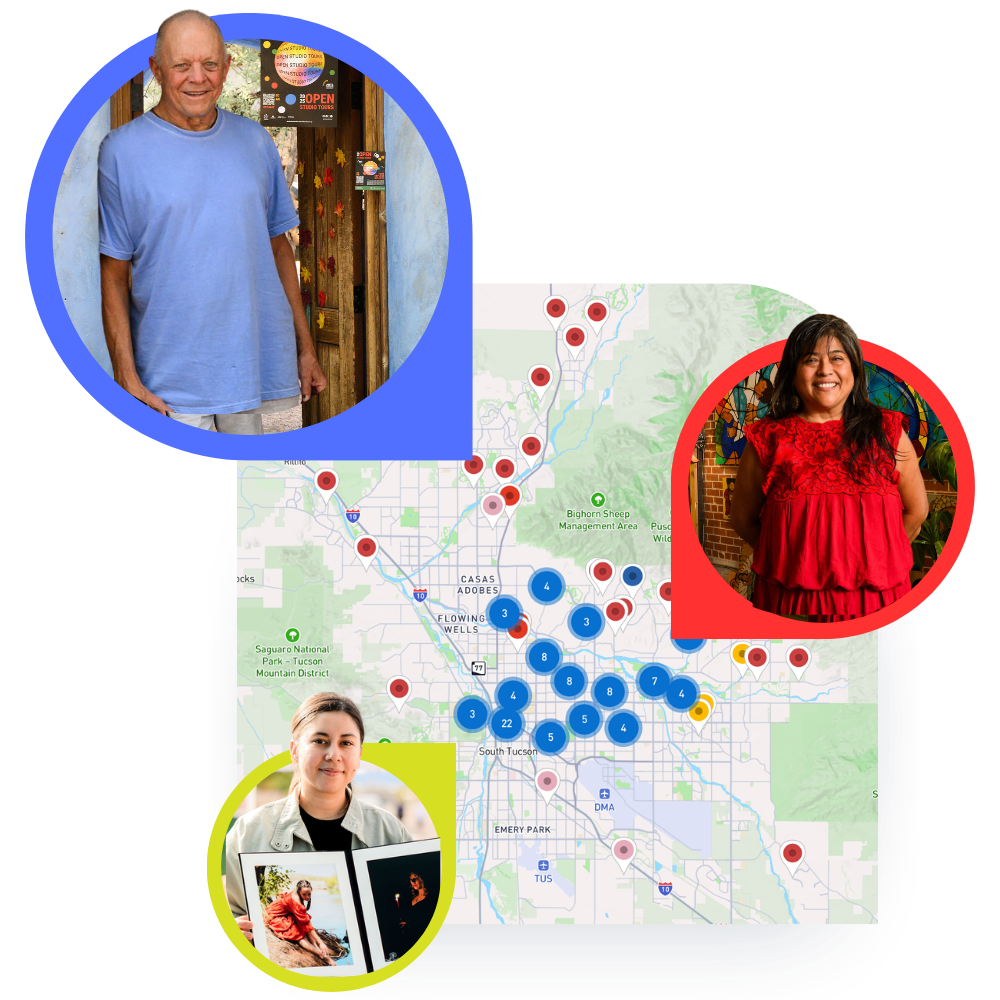
Use the interactive map below to find specific artists or creative spaces. Filter by artistic medium, day, ward, or price range to plan your own tour.
Simplify your tour on the go
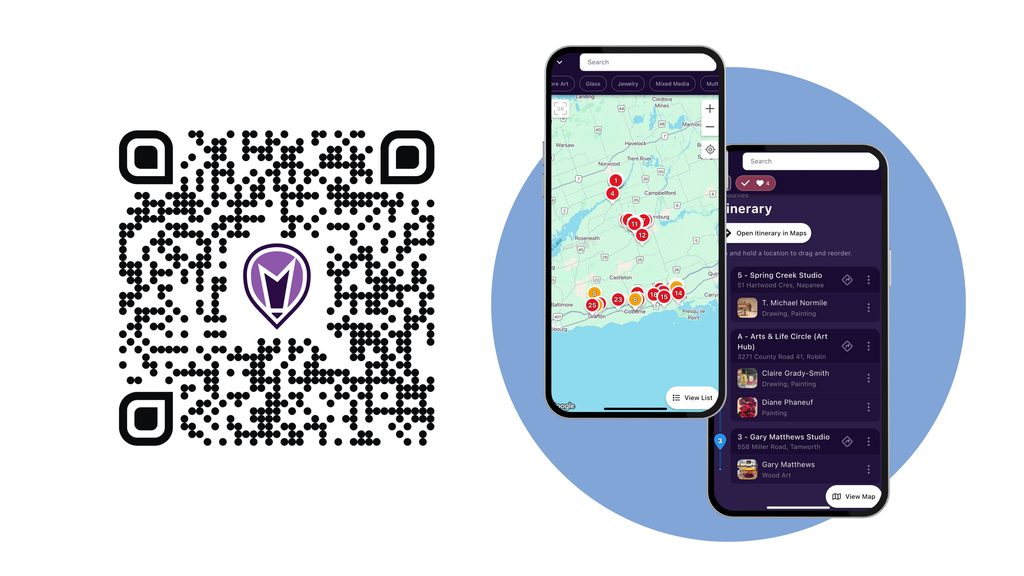
Make the most of Open Studio Tours with Toureka!, our free mobile app designed to help you explore with ease.
- See who’s open: Check studio hours
- Plan your route: Build your itinerary and save your favorites.
- Find helpful amenities: Look for restrooms, accessibility information, and more.


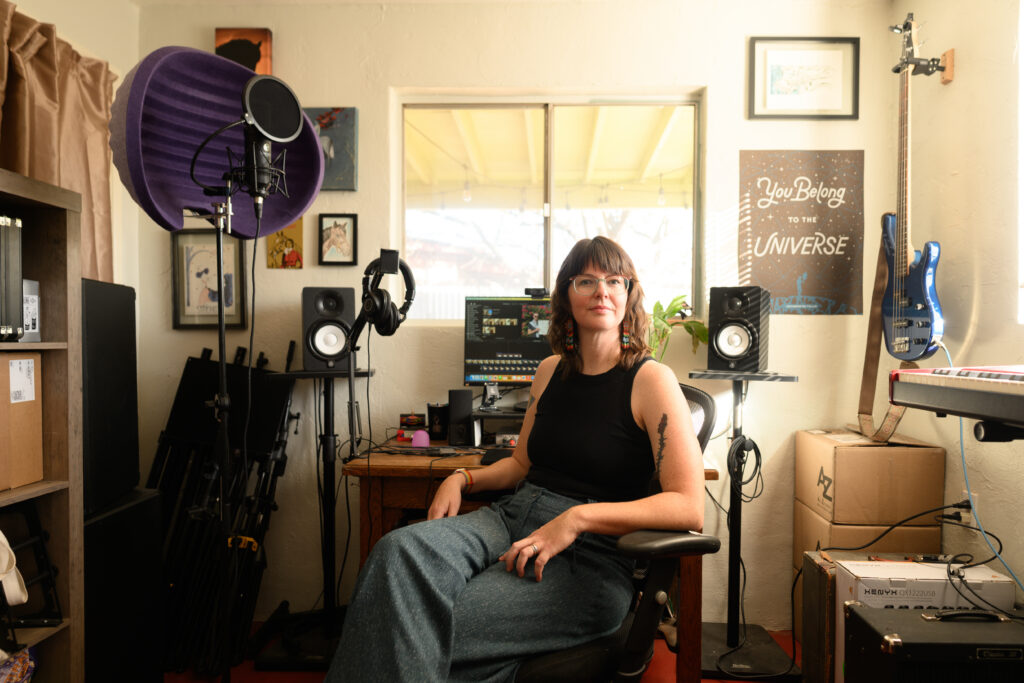
The Open Studio Tours Experience: Lara Ruggles
“Last year was my first year participating in Open Studios. I did it because I made a bet that most people think “visual art” when they think of open studios, and it would be fun to show off something entirely different — the recording studio where I make music! “
Read more: The Open Studio Tours Experience: Lara Ruggles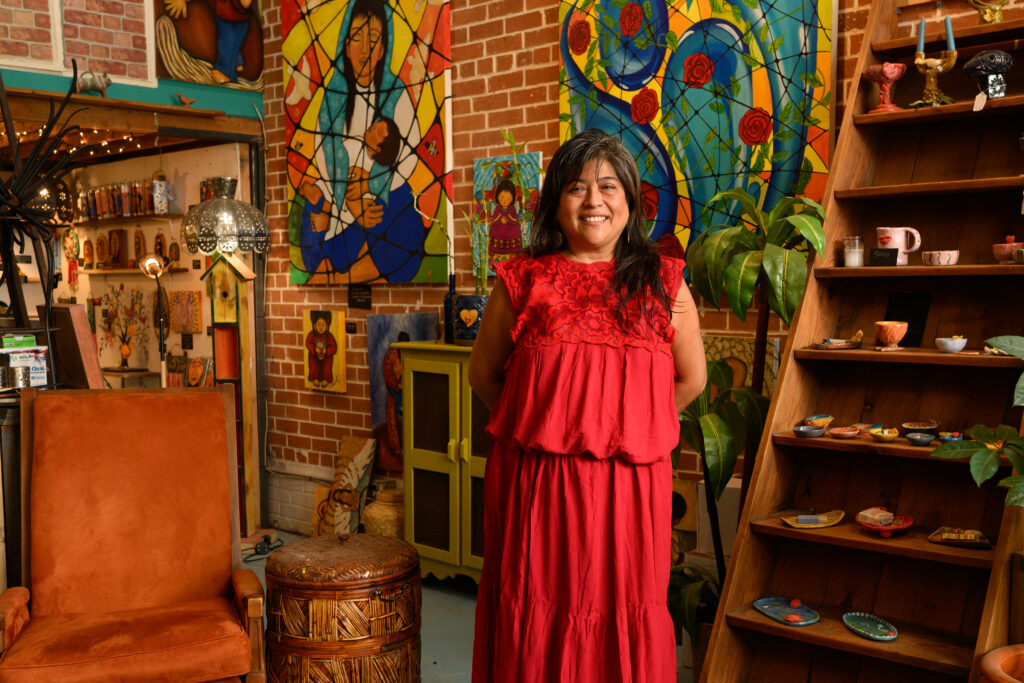
The Open Studio Tours Experience: Yovannah Diovanti
“Every year, I see people excited to know I am in their neighborhood. There’s a phenomenon that happens when we meet: they walk around, and we talk about art. They mingle with others, and we eat, after the event, when they see me again, they greet me as if I am a good friend, and that is so worth coming back every year.”
Read more: The Open Studio Tours Experience: Yovannah Diovanti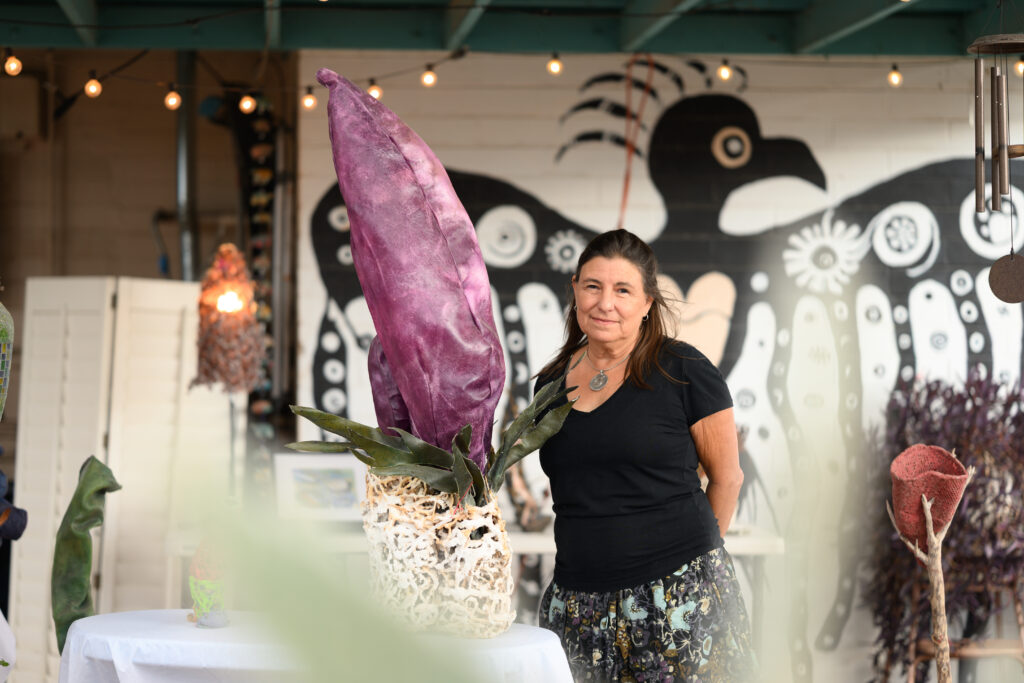
The Open Studio Tours Experience: Sandra Butler
“My neighbors knew I was an artist and art professor, but were surprised at the work I created. For me, making those connections and deepening relationships was the best part!”
Read more: The Open Studio Tours Experience: Sandra Butler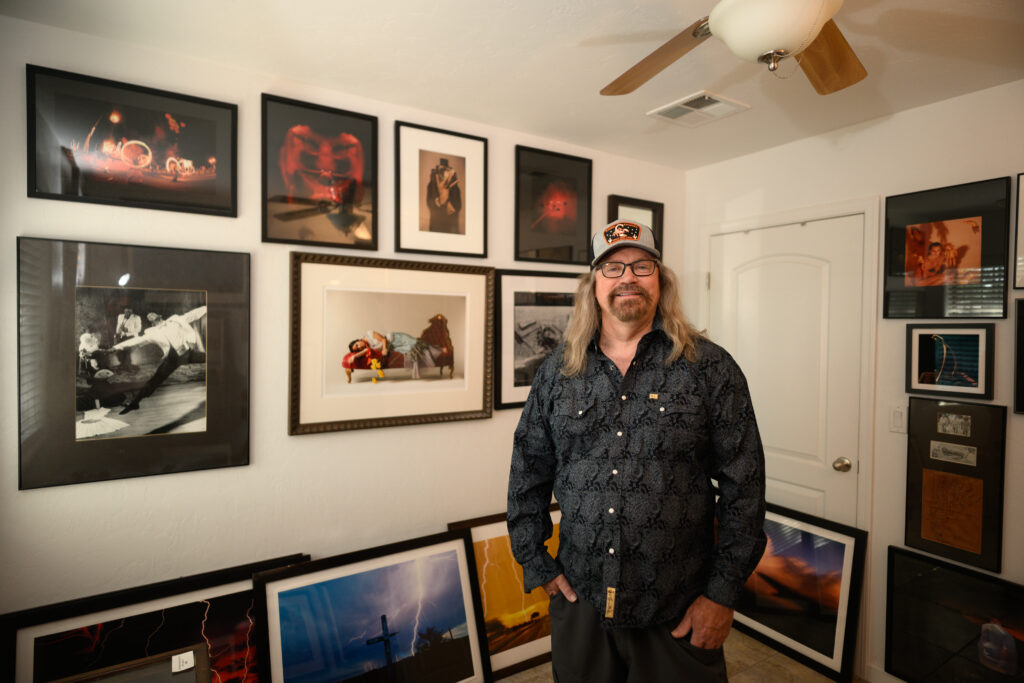
The Open Studio Tours Experience: Jeff Smith
“Don’t just participate; go out and see other artists. Set up your hours so you at least look through who else is out there, you might be interested in, or that you can’t believe your luck to find and go see their artwork. “
Read more: The Open Studio Tours Experience: Jeff SmithVisitor FAQ
Open Studio Tours creates opportunities for the public to connect directly with local artists, experience creative spaces, and gain insight into how art is made. The event supports artists by increasing their visibility, fostering connections with the community, and creating opportunities to share and sell their work.
Open Studio Tours is free to attend! We encourage attendees to consider purchasing artwork to support local artists.
Yes, The Arts Foundation for Tucson and Southern Arizona and Open Studio Tours are supporting in-person studio tours in 2026 and beyond
Supporting Local Art
Just by participating in Open Studio Tours, you are supporting your local arts and arts scene! OST is free to attend and no purchase is required, but with a range of price points, you might find something perfect for you. Here are resources to guide you in buying local art during OST.
You wouldn’t invest in stocks, bonds, or precious metals without first determining a budget, your art collection is no different. When you start an art collection, you are starting a new investment portfolio.
Not only should you determine how much you want to spend, but you should also determine how you will use the amount budgeted. Is your budget for 6 months or an entire year? Are you budgeting for a single $1,000 acquisition or four $250 pieces?
As a newbie, you’ll want to focus on quality over quantity. Your budget will probably change over time, so it’s important that those early pieces are pieces with real value.
“There is a threshold here,” says Bill Havu, owner of William Havu Gallery in the Golden Triangle. “Original art is not a poster, so it’s not going to run you what a poster does. To get into original art, you’re probably talking a range of $750 to $1,000.” So, yeah. Original art isn’t cheap. What might be surprising to know, however, is this: Gallery owners get it. They know not everyone has a truckload of dough to spend on beautiful things. As such, they aren’t going to be offended if you tell them you only have $800 to spend. They even welcome it.
“It’s OK to tell me that you have $1,000 and you’re wondering what I have in that price range,” says David B. Smith, owner and director of LoDo’s David B. Smith Gallery. “I have a bunch of hidden gems for less than that.” In fact, most galleries have rich storage areas where they stockpile artwork that isn’t on exhibit. What might be back there? “If you see something you like on display but you can’t afford it,” Havu says, “ask if there are smaller-size pieces or works on paper or limited-run prints from that same artist in the back. You might be surprised by what’s available.”
Did you see an artwork that has been on your mind ever since you left the gallery? If you stumble upon a piece that sticks with you, that makes you step back or lean in, then this may be the piece for you. Trust your instinct. The best works are ones that you can keep coming back to.
Maybe they trigger a memory for you, or maybe they remind you of a person you love. Whatever it is, these are the works that emotionally speak to you, and that is the best kind of work to have.
We all have a unique perspective on what is “good” art, so do not [buy] an artwork that you aren’t feeling. Even if somebody is an expert and says that an artwork is valuable or beautiful, if you don’t like it then you shouldn’t buy it. You are the one who has to live with it, and you should only decorate your walls with works that speak to you on a personal level.
– From The Art of Buying Art